

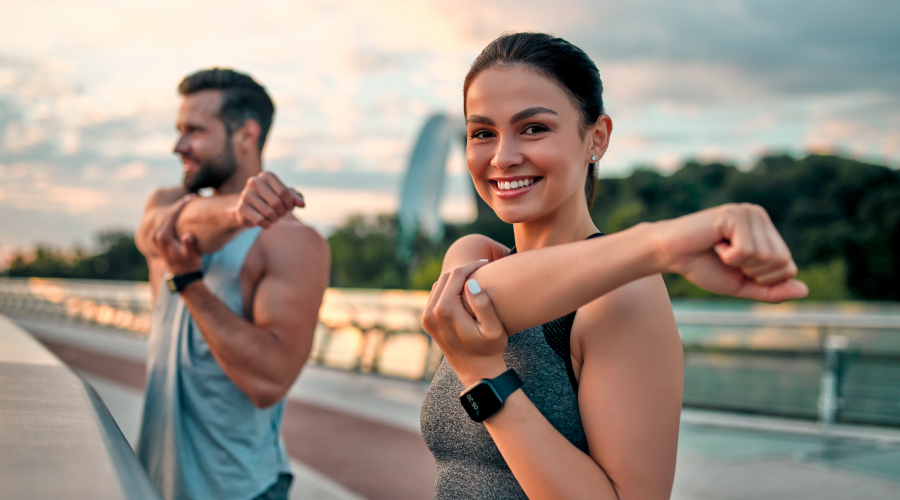
Lifestyle is more than just a buzzword; it is the lens through which we view the world and the way we choose to engage with it. It encompasses the daily habits, values, choices, and behaviors that define who we are and how we live. From the food we eat to the way we dress, from our work routines to our leisure activities, our lifestyle reflects our individual priorities and beliefs. But it’s not just about personal choices; lifestyle also intertwines with broader societal trends, cultural influences, and the ever-evolving pressures of modern life. In this article, we explore the concept of lifestyle, its various facets, and how it shapes the way we live in an increasingly interconnected world.
The Fluid Nature of Lifestyle
At its core, lifestyle is a fluid and dynamic concept. It is not a static set of actions or choices, but a continually evolving reflection of our circumstances, aspirations, and values. One’s lifestyle can shift as a result of a life-altering event—such as a career change, marriage, or parenthood—or as a response to changing cultural trends, advancements in technology, or shifting environmental concerns. In the past, lifestyle changes were often dictated by geography, socioeconomic status, and familial traditions. Today, however, we live in a world where global influences are more accessible than ever, and individuals are increasingly empowered to define their own paths.
The modern lifestyle has become a canvas for self-expression. In many ways, it has democratized personal choices, allowing people to cultivate a life that aligns with their values. However, this empowerment also brings with it the challenge of navigating a dizzying array of options. The question then arises: what constitutes a healthy, fulfilling lifestyle, and how can we design one that brings us joy and purpose?
Health and Wellness: The Foundation of Lifestyle
One of the most significant components of modern lifestyle is health and wellness. The pursuit of a healthy life has become a cornerstone of contemporary living, with a growing emphasis on both physical and mental well-being. With the advent of social media and the rise of wellness influencers, there has been an increasing cultural focus on fitness, mindfulness, and holistic health practices.
The definition of health has expanded beyond simply the absence of illness. It now encompasses a holistic approach that includes nutrition, exercise, sleep, stress management, and mental health. The modern wellness industry has capitalized on this trend, offering everything from organic foods and workout regimens to mindfulness apps and spa retreats. For many, the lifestyle choice of prioritizing health is no longer just about looking good but feeling good—both inside and out.
In this context, many individuals have embraced activities such as yoga, meditation, and clean eating as key aspects of their lifestyles. These practices not only contribute to physical health but also foster a deeper connection to the self, encouraging mindfulness and emotional well-being. The growing focus on mental health has also opened conversations about the importance of self-care, therapy, and stress reduction techniques. As a result, today’s lifestyle often includes practices that promote emotional resilience and mental clarity.
The Influence of Technology on Modern Lifestyle
The rise of technology has undeniably transformed lifestyles across the globe. From smartphones and social media to smart homes and artificial intelligence, technology has reshaped how we interact with the world and with each other. While it has provided us with unprecedented access to information, convenience, and connectivity, it has also introduced new challenges in terms of maintaining balance and privacy.
The omnipresence of technology has made remote work and virtual socializing more common, influencing how we approach career and relationships. For many, the work-from-home model has redefined the traditional 9-to-5 job, offering greater flexibility and autonomy. However, it has also blurred the lines between work and personal life, contributing to the rise of burnout and digital fatigue.
Moreover, social media has become a powerful tool for shaping modern lifestyles, influencing everything from fashion trends to travel destinations. Platforms like Instagram and TikTok have created a new kind of “lifestyle branding,” where influencers curate idealized versions of their lives for public consumption. While this can inspire creativity and innovation, it has also led to a culture of comparison and, at times, dissatisfaction with one’s own life. The constant stream of curated content can create unrealistic standards, contributing to stress and anxiety for those who feel they cannot measure up.
Despite these challenges, technology also enables individuals to create more personalized lifestyles. Fitness trackers, diet apps, and virtual therapy sessions all offer tools that empower people to take control of their health in ways that were previously unimaginable. As technology continues to advance, it is likely that our lifestyles will become even more tailored to our individual needs and preferences.
Sustainable Living: A Shift Toward Conscious Consumption
As the world grapples with climate change and environmental degradation, a new wave of conscientious living is sweeping across the globe. Sustainability has emerged as a key focus of modern lifestyles, with individuals and companies alike recognizing the urgent need to reduce consumption and minimize their ecological footprint.
Sustainable living is no longer just a niche interest; it has become an essential part of the broader cultural conversation. From reducing plastic waste and adopting plant-based diets to supporting ethical fashion brands and embracing renewable energy, more people are making lifestyle choices that align with their environmental values. These choices reflect a growing awareness of the finite nature of Earth’s resources and the importance of preserving them for future generations.
The rise of minimalism—a lifestyle that emphasizes simplicity, decluttering, and intentional living—also ties into this movement. For many, the desire for less has translated into a rejection of overconsumption, opting instead for quality over quantity. Minimalists often choose to invest in fewer, more durable items, whether in clothing, furniture, or technology, opting for products that are ethically produced and built to last.
The Social Aspect: Relationships and Community
Lifestyle is also deeply intertwined with social interactions and community engagement. The way we choose to spend time with friends and family, the communities we belong to, and the values we share with others all influence our sense of fulfillment and happiness.
In today’s fast-paced world, relationships are increasingly viewed as one of the cornerstones of a successful and balanced lifestyle. More and more individuals are placing importance on work-life balance, dedicating time to family, friendships, and personal relationships. The desire to cultivate deeper connections has led to the rise of social movements focused on fostering inclusivity, mental health awareness, and personal authenticity.
Moreover, the concept of “community” has expanded in the digital age. Online communities, virtual support groups, and social networks allow people to form connections across geographic and cultural boundaries. This has created a globalized lifestyle where people can share experiences, learn from one another, and work together toward common goals, despite physical distances.
The Pursuit of Meaning and Purpose
Perhaps the most profound aspect of lifestyle is its relationship to meaning and purpose. Beyond the superficial markers of success—such as material wealth or social status—modern individuals are increasingly seeking lives that are meaningful and aligned with their deepest values. The rise of conscious living, the pursuit of personal growth, and the search for fulfillment in one’s work and relationships all reflect this desire for a more purposeful existence.
For some, this may involve aligning their careers with their passions, contributing to social causes, or engaging in creative endeavors. For others, it might mean creating a life rooted in family, spirituality, or community. The search for meaning is an intrinsic part of the human experience, and it is a central theme in the way we design our lifestyles.
Conclusion: Crafting a Life of Intent
In the end, lifestyle is a deeply personal and evolving journey. It reflects our values, beliefs, and aspirations, offering a canvas upon which we can paint our most authentic selves. While external factors such as technology, culture, and societal pressures will always play a role, the true essence of lifestyle lies in our ability to consciously choose the path that brings us peace, joy, and fulfillment.
As we navigate the complexities of modern life, the key to a truly enriching lifestyle lies in balance: balancing health and wellness with indulgence, work with leisure, sustainability with convenience, and individuality with connection. In a world that is constantly changing, the power to design our own lives remains one of the most profound freedoms we possess. The question we must ask ourselves is not merely how we live, but why—and with that understanding, we can begin to craft a life that reflects the deepest and truest version of who we are.
