

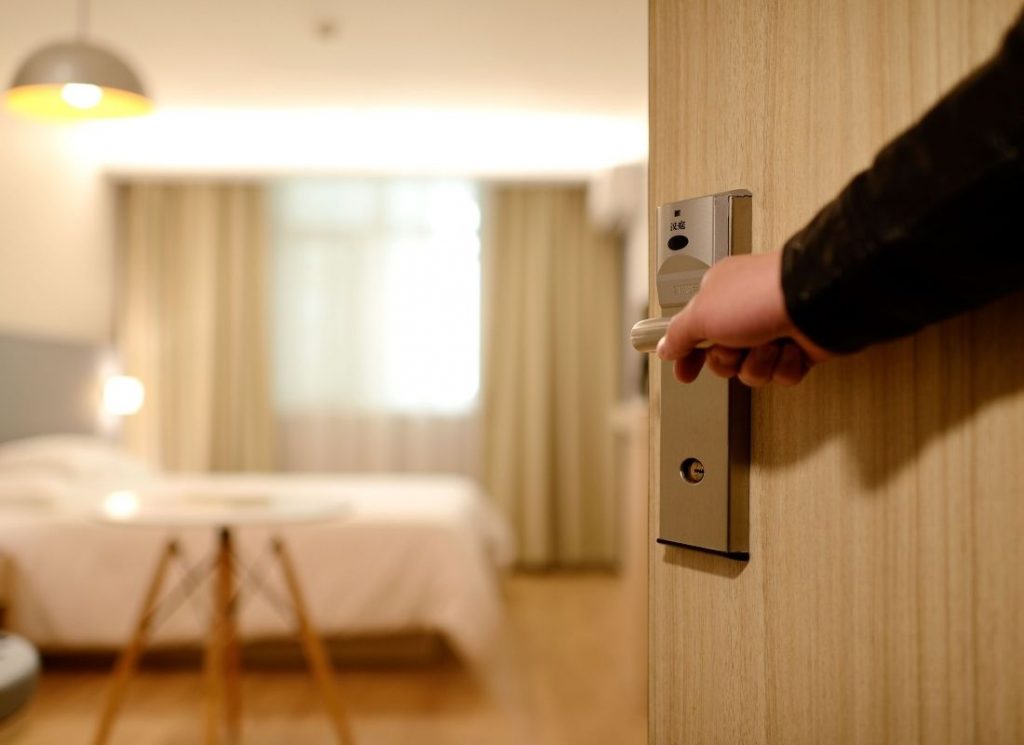
Checking into a hotel room brings a sense of comfort and relaxation, signaling the beginning of a vacation or the conclusion of a long business trip. Whether it is a luxury resort or a budget-friendly roadside motel, travelers naturally expect their lodging to be a safe haven. However, stepping away from home requires a shift in situational awareness.
Hotel environments are fundamentally dynamic public spaces. Throughout any given day, hundreds of individuals including housekeeping staff, maintenance workers, delivery personnel, and fellow guests move through corridors and shared areas. This high volume of foot traffic provides natural cover for opportunistic theft or security breaches. Securing your room and personal property does not require paranoia, but it does require a series of deliberate, proactive habits designed to eliminate vulnerabilities.
A 3-star hotel in georgetown penang provides affordable comfort without compromising quality. Guests can expect clean accommodations, friendly service, and easy access to shopping, dining, and heritage sites, making it an excellent choice for travelers seeking convenience, value, and a pleasant stay in the heart of Georgetown.
1. Smart Practices During Check-In and Arrival
Personal security begins the very moment you step up to the front desk reception area. Minor choices made during the check-in process can dictate your overall vulnerability during your stay.
Discrete Room Assignment
When a front desk agent confirms your registration, pay attention to how they communicate your room details. A professional hotelier will never announce your room number out loud, as anyone standing nearby in the lobby could easily overhear it. If the clerk speaks your room number aloud, politely request a reassignment. Furthermore, try to secure a room located between the second and fourth floors. The ground floor is highly vulnerable to external break-ins through windows or patio doors, while floors above the fourth level are often beyond the maximum reach of standard local fire department ladder trucks.
Testing the Entry Point immediately
When you open your room door for the first time, do not simply toss your luggage on the bed and walk out. Stand inside the room and pull the door shut behind you to verify that the automatic self-closing mechanism functions properly. Many hotel doors fail to latch completely on their own due to warped frames, worn hinges, or air pressure imbalances, leaving the room completely unlocked while you assume it is secure.
2. Fortifying the Physical Entry Points
Modern hotel locks rely heavily on electronic keycard technology, which offers solid baseline protection but is not completely foolproof. You must establish secondary physical barriers to guarantee privacy and safety while you are inside the room.
-
Engage the Deadbolt and Security Latch: Whenever you are inside the room, immediately turn the deadbolt and engage the swing arm latch or security chain. Never leave these mechanisms disengaged, even if you are just stepping into the bathroom for a quick shower.
-
The Power of a Portable Door Stop: A heavy-duty rubber door wedge or a specialized metal portable travel lock provides an incredibly effective layer of defense. Forcing a rubber wedge firmly under the inside of your door frame makes it nearly impossible for an intruder to push the door open from the hallway, even if they possess a duplicated master electronic keycard or a physical override tool.
-
Inspecting the Peephole: Look through the door peephole to ensure the view is clear and completely undistorted. If the lens is scratched, loose, or appears reversed, cover it with a small piece of dark tape or a sticky note. This prevents anyone in the corridor from using specialized reverse peephole lenses to spy inside your private living space.
3. Protecting High-Value Belongings in the Room
Leaving expensive laptops, cameras, jewelry, or critical identity documents exposed on a desk or nightstand creates a target for opportunistic theft. You must treat your room as a secure facility by establishing strict storage protocols.
Maximizing the Electronic In-Room Safe
Most modern hotel rooms feature a digital programmable safe bolted inside the closet or wall. Use it immediately upon arrival to secure passports, backup cash, secondary credit cards, and compact electronic devices. When programming your unique access code, avoid using highly predictable number combinations like your birth year, your home address digits, or the room number you are staying in.
The Luggage Lock Strategy
If your room lacks a functional safe, or if your electronics are too bulky to fit inside a small safe box, utilize your personal luggage as a secondary vault. Place all high-value items inside a durable, hard-sided suitcase, zip it shut, and secure the zippers using a high-quality Transportation Security Administration approved padlock. While a locked suitcase can still be stolen entirely, it completely eliminates casual, opportunistic pilfering from anyone entering your room during standard daily cleaning operations.
4. Managing Digital and Cyber Security Vulnerabilities
In the modern travel landscape, security concerns extend far beyond physical property. Digital threats can be just as devastating as a physical break-in, often compromising your personal identity or financial accounts without your immediate knowledge.
Navigating Public Hotel Wi-Fi Networks
Unsecured public hotel wireless networks are notorious hunting grounds for cyber criminals. Hackers frequently set up fraudulent network access points with names identical or highly similar to the official hotel network, tricking guests into connecting directly to their monitoring hardware. Once connected, they can easily intercept your sensitive unencrypted browsing traffic, passwords, and personal details.
-
Always Use a Virtual Private Network: Never log into online banking portals, corporate email servers, or sensitive personal accounts on a hotel Wi-Fi network without first activating a reliable Virtual Private Network. A quality network encrypts all incoming and outgoing data, shielding your digital activity from prying eyes on the shared hotel connection.
-
Disable Automatic Connections: Adjust your smartphone, tablet, and laptop settings to turn off automatic Wi-Fi connections and device sharing protocols, ensuring you only connect to local networks intentionally.
5. Maintaining Deception While Absent
When you leave your room to explore a city, attend a business conference, or grab a meal down in the hotel restaurant, you should leave behind the illusion that the room is still occupied.
The Do Not Disturb Tactic
Keep the physical Do Not Disturb sign hanging prominently on your exterior door handle for the entire duration of your stay. This simple card serves as a strong psychological deterrent, signaling to anyone scouting the hallway that an occupant is likely present inside. If you require fresh towels or trash removal, simply call the front desk housekeeping coordinator directly to arrange a specific time window for service while you are present, or swap out items with a staff member at the door rather than allowing automated all-day entry.
Leaving the Television Active
Before walking out the door, leave the room television running on a standard news or talk channel at a moderate volume level. To an outsider standing in the corridor, the faint sound of voices coming from inside the room strongly implies active occupancy, discouraging anyone attempting a quick break-in. Combine this with keeping a single interior light on to maintain a lived-in appearance regardless of the hour.
Frequently Asked Questions
What should I do if I lose my electronic hotel room keycard?
Report the loss to the front desk personnel immediately. Do not simply ask for a replacement card; explicitly request that the front desk agent cancel your previous keycard code in the central computer system. This ensures that if someone found your dropped keycard on an elevator or in the lobby, the old card will be completely deactivated and useless if they attempt to scan it at your door.
Is the in-room electronic safe completely secure against hotel staff?
While in-room safes protect well against basic opportunistic theft, they are not completely foolproof. Most hotel management teams maintain a master override code or a physical key tool to open safes when guests accidentally forget their personal combinations. For extraordinarily high-value items or large amounts of cash, it is often safer to request the use of the main hotel vault located behind the front desk reception area, which operates under much stricter logging and security protocols.
How do I safely handle an unexpected knock on my hotel room door?
Never open your door to anyone without verifying their identity first, even if they claim to be hotel staff, room service, or maintenance. Look through the peephole to confirm their uniform. If you did not personally request a service or maintenance visit, keep the door locked, call the front desk using the room phone, and ask the operator to verify if an employee was officially dispatched to your specific room number.
Should I use the hotel safe deposit boxes if the room safe is broken?
Yes. If your individual room safe is non-functional, do not leave your valuables exposed. Walk down to the front desk and formally request the use of the property’s primary safe deposit boxes. Ensure that you receive a written, signed receipt detailing exactly what items or documents you are leaving in their custody, along with clear instructions on the verification required for retrieval.
How can I secure a hotel room door that has an interconnecting door to another room?
Interconnecting doors are common in family suites but present a major vulnerability if you do not know the occupants next door. Ensure that the deadbolt on your side of the connecting door is fully thrown. For added peace of mind, place a piece of heavy luggage or an armchair directly in front of the door frame, or utilize a portable door security bar to physically lock the handle mechanism in place.
What are the most common signs that a hotel room has been tampered with?
Look for subtle discrepancies when returning to your room. Signs include a door that is slightly ajar or fails to click locked when closed, privacy signs removed from the handle, items inside your luggage shifted significantly, or the electronic safe displaying an error message instead of the standard standby screen. If you suspect entry, do not touch anything; immediately inform hotel security and local management.
How do I handle emergency evacuation routes in a new hotel layout?
Upon entering your room, locate the mandatory fire evacuation diagram posted on the back of the entry door. Take thirty seconds to count the exact number of doors between your room and the nearest emergency exit staircase. In a severe fire or smoke emergency, power grids often fail, leaving corridors completely dark; knowing the exact door count allows you to navigate safely to the exit by feeling along the wall.
