

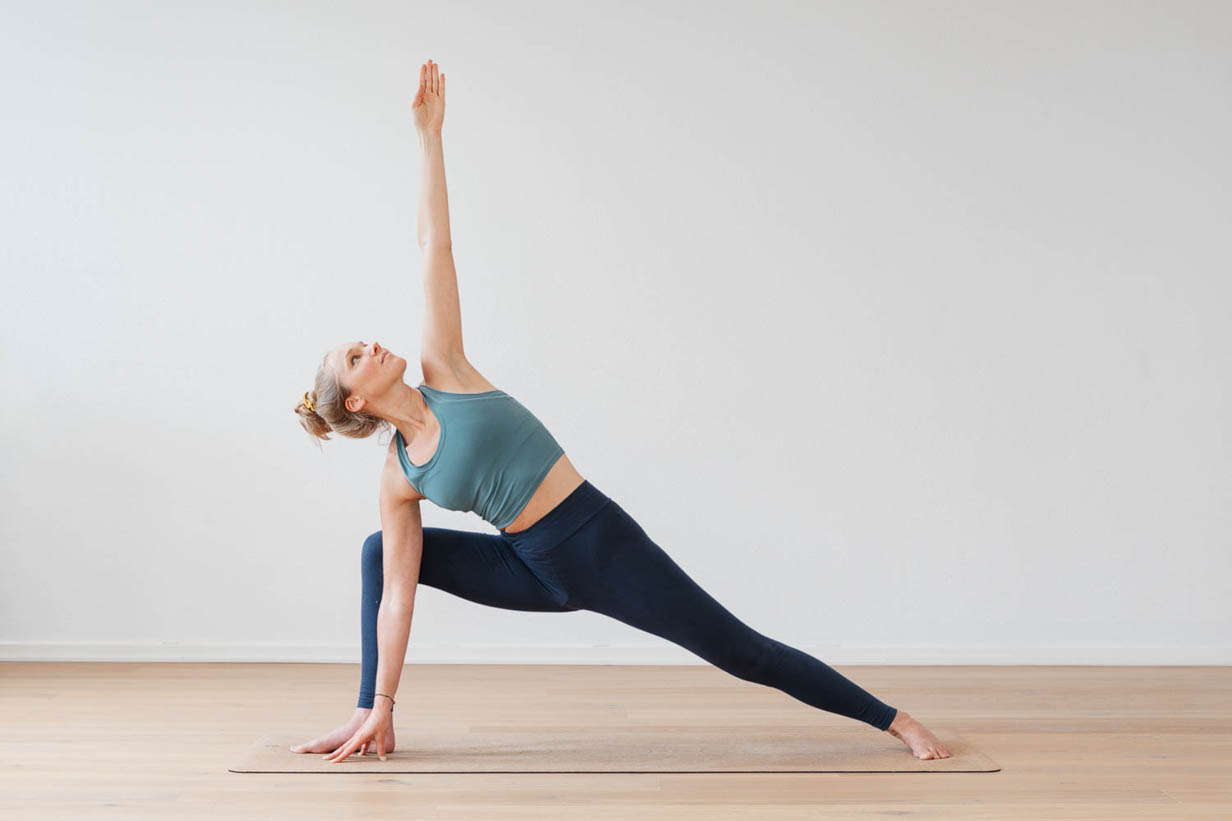
A long flight can interrupt far more than one day’s exercise. Prolonged sitting, time-zone changes, disrupted meals and poor sleep may leave travellers feeling stiff, tired or unsettled. Returning immediately to a demanding routine can add stress when the body is still adjusting.
A measured hatha yoga session can provide a structured way to resume movement after travel. Its slower pace allows practitioners to assess energy, balance and range before increasing intensity. The practice should complement hydration, sleep and ordinary activity rather than being presented as a cure for jet lag or circulation problems.
Travel Fatigue Is More Than Tight Muscles
People often describe feeling tight after flying, but the experience can include dehydration, reduced sleep, altered digestion and mental fatigue. Each factor influences movement.
A traveller may have normal flexibility yet feel uncoordinated or unusually heavy. Treating every sensation as a muscle that needs aggressive stretching can miss the wider recovery picture.
Prolonged Sitting Reduces Movement Variety
Aircraft seats keep the hips and knees bent for long periods and limit opportunities to change position. This does not permanently shorten muscles after one journey, but it can make standing and extending the hips feel unfamiliar.
Gentle transitions through standing, reaching and supported lunges restore movement variety. The aim is to explore available range, not force the body to compensate for every hour spent seated.
Start with Walking and Basic Mobility
Before attending a full class, a short walk can reveal how energy, balance and breathing feel. Simple ankle movement, shoulder circles and comfortable trunk rotation may also help the traveller reconnect with ordinary motion.
This preliminary check is valuable after an overnight arrival. If walking feels unusually difficult or symptoms appear, a demanding class should not be the next step.
Sleep Loss Changes Coordination
Reduced sleep can affect reaction time, balance and perceived effort. A posture that is normally easy may require more concentration after travel.
Using a wall or reducing the duration of single-leg balances is sensible. The goal of the first session is to re-establish a reliable routine, not prove that travel had no effect.
Jet Lag Requires Time, Not a Perfect Sequence
Crossing time zones changes the relationship between the body clock and local schedule. Light exposure, sleep timing and meal patterns all contribute to adjustment.
Yoga may help a traveller create a calm movement appointment, but no posture can instantly reset circadian timing. Claims that a specific twist or inversion eliminates jet lag should be viewed cautiously.
Session Timing Should Support Local Routine
A class can become a useful anchor in the destination’s schedule. A morning or early evening session may fit some travellers, depending on arrival time and usual habits.
Very late vigorous activity may interfere with sleep for certain people, while others tolerate it well. The best choice supports local meals and rest without requiring the traveller to fight severe drowsiness.
Hydration Should Be Gradual
Cabin air is dry, and travellers may drink less to avoid frequent toilet visits. Rehydration matters, but consuming a very large volume immediately before yoga can feel uncomfortable.
Regular fluids after arrival are generally easier to manage. Normal meals contribute water and electrolytes too. People with medical fluid restrictions should continue following individual advice.
Food Timing Affects Class Comfort
Travel disrupts appetite. A person may arrive hungry, eat a large meal and then book a class because it seems like the right local time.
Deep folds and twists may feel unpleasant on a very full stomach. Leaving suitable digestion time or choosing a smaller familiar snack before class can improve comfort without imposing rigid fasting.
Keep the First Practice Submaximal
The first session after a long flight does not need maximum depth, heat or duration. A moderate range provides enough information about how the body is responding.
Practitioners can reduce stance length, hold poses for fewer breaths and take more rest. These adjustments allow consistency without turning recovery into inactivity.
Use Standing Postures to Restore Load
Standing movements reintroduce pressure through the feet and work from the legs and hips. Supported warriors, short lunges and gentle weight shifts can feel useful after prolonged sitting.
The stance should remain manageable. If balance is affected by fatigue, keeping a hand near a wall or using a wider base provides stability without removing the movement benefit.
Twists Should Remain Comfortable
Rotation may feel refreshing after sitting, but forceful twisting is unnecessary. The hips, ribs and spine all contribute, and their available movement may differ after travel.
An upright seated or standing twist can be easier to control than a deep floor variation. Breathing comfortably is more important than reaching a particular angle.
Inversions Are Not Essential for Recovery
Some travellers believe going upside down is necessary to reverse the effects of flying. There is no need to invert for a post-flight practice to be valuable.
Dizziness, unfamiliar balance, certain health conditions and fatigue can make inversions unsuitable. Supported alternatives with the head above the heart can still provide varied movement and rest.
Swelling Requires Sensible Observation
Mild ankle or foot swelling can occur after prolonged sitting, but not all swelling should be treated casually. Yoga is not a method for ruling out a medical problem.
New one-sided swelling, significant pain, redness, warmth, chest pain or unexplained shortness of breath requires urgent medical attention. A class should never delay assessment of concerning symptoms.
Heat Can Add Unnecessary Load
Travellers arriving in Singapore may already be adapting to warm, humid conditions. A heated or very demanding session can increase fluid needs and perceived effort.
A standard-temperature class may be a more measured return. Anyone choosing heat should consider acclimatisation, current hydration and health guidance rather than assuming more sweat means faster recovery.
Props Reduce the Need to Force Range
Blocks, straps, walls and folded blankets can make the first practice more comfortable. They help the practitioner stay within a controllable range while fatigue and stiffness settle.
Using props after travel is not a regression. It is a way to match the session to temporary circumstances and maintain movement quality.
Rebuild Frequency Before Intensity
Travellers often try to compensate for missed sessions by doubling training after arrival. Sudden volume can create soreness and further disrupt sleep.
Returning to the usual timetable gradually is more sustainable. One moderate class followed by ordinary walking and rest may provide a better bridge than several hard sessions in quick succession.
Business Travel Needs Realistic Scheduling
A packed work trip may include early meetings, dinners and unfamiliar transport. Booking a class with no travel buffer can turn a restorative intention into another deadline.
Choose a time and location that allow for delays, changing and a calm arrival. A shorter session that fits consistently is more useful than an ambitious booking repeatedly cancelled.
Listen for Recovery, Not Performance
After travel, progress may mean feeling more coordinated, breathing comfortably and leaving with energy for the rest of the day. Range or hold duration may temporarily decrease.
Comparing the session with peak performance creates unnecessary pressure. The body is responding to a different sleep, food and activity context, so the training dose should change accordingly.
Use the Class as a Routine Anchor
When booking with Yoga Edition, travellers can select a level that matches their current experience and arrive early enough to explain relevant restrictions. Choosing a familiar, measured format may make it easier to reconnect with practice without chasing intensity.
Hatha practice can support the transition from travel back to routine because it offers deliberate movement and clear pacing. Its role is modest but useful. It helps the traveller assess the present day, move through varied positions and resume consistency while sleep and daily rhythms recover in their own time.
Frequently Asked Questions
How soon after a long flight can I practise yoga?
There is no fixed interval. Consider sleep, hydration, symptoms and travel duration. Begin with walking and choose a moderate session if you feel well.
Can Hatha yoga cure jet lag?
No. It may support routine and relaxation, but circadian adjustment also depends on time, light exposure, sleep and daily scheduling.
Should I do inversions after flying?
They are not necessary. Avoid them when dizzy, extremely tired or medically advised, and use comfortable upright alternatives.
Is post-flight leg swelling normal?
Mild swelling can occur, but one-sided swelling, pain, warmth, redness, chest pain or unexplained breathlessness needs urgent medical assessment.
Should my first class be heated?
A standard-temperature session is often a more conservative return, especially when adapting to Singapore’s humidity or uncertain hydration.
What should I tell the instructor?
Mention recent travel, current fatigue, previous injuries and any relevant restrictions privately so appropriate options can be suggested.