

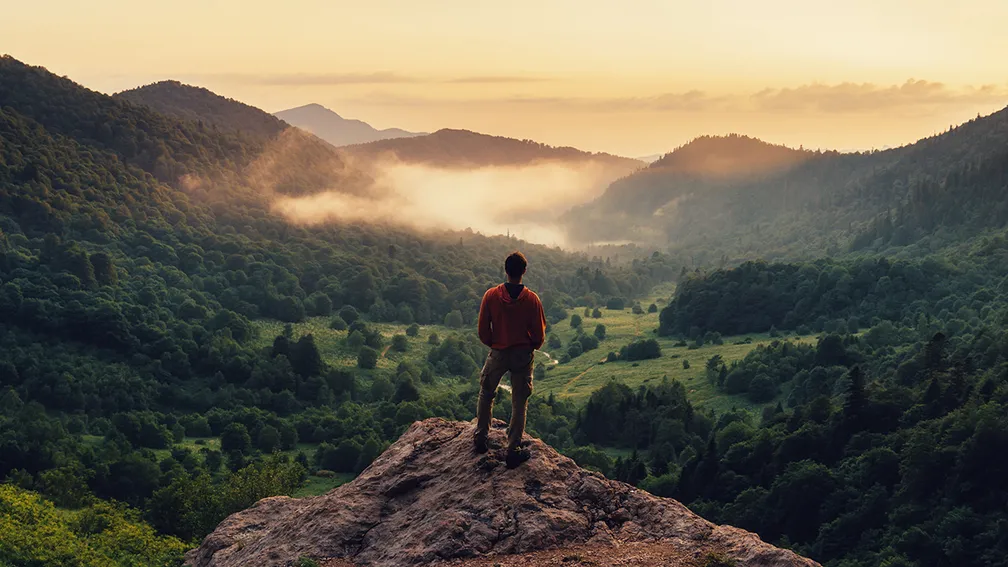
The misconception that adventure travel requires a massive bank account prevents many people from exploring the world. Commercialized adrenaline rushes like skydiving over Dubai or taking a helicopter tour of Alaskan glaciers come with hefty price tags. However, true adventure is rarely born from luxury. The most memorable travel stories usually originate from navigating unexpected detours, conquering raw natural landscapes by foot, or bargaining for a spot on a local chicken bus.
By shifting your focus away from packaged tours and toward independent exploration, the world becomes an accessible playground. Finding cheap thrills abroad is a mix of tactical planning, cultural flexibility, and a willingness to step outside your comfort zone. Here is a definitive guide on how to experience world-class outdoor adventures without draining your savings.
1. Target Value-Driven Adventure Destinations
The easiest way to cut your travel expenses in half is to choose destinations where your native currency holds significant purchasing power. Certain regions of the world are naturally suited for budget adventure travel because their baseline cost of living is low, and their natural geography offers endless free or cheap outdoor activities.
-
Southeast Asia: Countries like Vietnam, Laos, and Indonesia provide some of the cheapest motorbiking, scuba diving, and cave exploring opportunities globally. A multi-day trek through the northern mountains of Vietnam costs a fraction of a similar expedition in Western Europe.
-
The Balkans: If you want European alpine scenery without Swiss prices, look to the Balkans. Countries like Albania, Montenegro, and Bosnia and Herzegovina boast rugged peaks, dramatic canyons, and pristine rivers. The Peaks of the Balkans trail offers stunning mountain trekking at a minimal cost.
-
Central America: Guatemala and Nicaragua are paradise for adrenaline junkies. You can hike active volcanoes, surf down fields of volcanic ash, or navigate dense jungle river systems for just a few dollars per day.
2. Leverage Public Infrastructure and Do It Yourself
Packaged adventure tours charge a high premium for logistical convenience. They handle transportation, gear, and guiding services, which inflates the final cost. You can bypass these markups by relying on public transit and organizing your own excursions.
The Power of Local Transit
Instead of booking a private tourist shuttle, learn to use the transportation that locals use. Whether it is the converted school buses of Guatemala, the extensive rail networks of India, or the shared minivans known as marshrutkas in the Caucasus region, public transit is incredibly inexpensive. Navigating these systems is often an adventure in its own right and forces you to interact with the local community.
Independent Trekking vs. Guided Tours
Many famous hiking trails can be tackled completely solo without a guide or porter, provided you possess basic navigation skills and a reliable maps application. Trails in Peru, Nepal, and Patagonia often have well-established teahouses, guesthouses, or designated camping zones along the route. By carrying your own gear and plotting your own course, you save hundreds of dollars while enjoying a deeper sense of self-reliance.
3. Master the Art of Free Natural Wonders
The finest attractions on earth do not have an admission gate or a ticket booth. Mountains, rivers, oceans, and public wilderness areas are generally free to explore if you know how to access them.
-
Self-Guided Snorkeling: Instead of paying for a commercial boat tour to take you to a reef, research destinations where the coral reef is accessible directly from the shore. Places like Egypt’s Red Sea coast, certain islands in Thailand, and parts of the Caribbean offer world-class marine life just a short swim from the beach.
-
Chasing Waterfalls: Commercialized eco-parks often charge steep entry fees to see their waterfalls. With a bit of online research and mapping tools, you can usually find hidden, wild cascades nearby that are completely free to visit and free of crowds.
-
Urban Hiking and Viewpoints: Many international cities are flanked by dramatic hills or peaks. Skipping the paid observation decks or cable cars in favor of hiking the trails to the top saves money and provides a great workout.
4. Rethink Your Accommodation and Gear Strategies
Where you sleep and how you handle your equipment can make or break an adventure budget. Traditional hotels consume a massive portion of your funds, leaving little left for activities.
Creative Lodging
Consider staying in mountain huts, hostels, or eco-campgrounds. Hostels are not just for sleeping; they are hubs for finding activity partners. Splitting the cost of a local taxi or a boat rental with three other travelers instantly slashes your day-by-day expenses. For an even more budget-friendly approach, look into wild camping rules in your destination country. Places like Sweden, Norway, and Scotland have legal frameworks allowing people to camp responsibly on public land for free.
Pack Smarter, Rent Locally
Paying oversized baggage fees to fly your own bulky adventure gear across the world is a major budget drain. Instead, focus on multi-purpose clothing and lightweight essentials. For technical gear like climbing harnesses, surfboards, or heavy winter jackets, it is almost always more economical to rent from local shops near the trail or beach. This supports the local economy and prevents you from hauling heavy gear through airports.
5. Embrace Slow Travel and Low-Season Flexibility
Rushing through an itinerary is inherently expensive. When you try to see an entire country in one week, you are forced to use fast, expensive transport options and book rushed tours. Slowing down your pace allows you to uncover regional secrets and take advantage of budget openings.
The Benefits of Slow Travel
By staying in one adventure hub for a couple of weeks, you can negotiate better long-term rates on lodging and scooter rentals. You also gain the time needed to talk to locals and expatriates who know where the uncommercialized, cheap thrills are located. They can point you toward the unofficial trails, the secret surf breaks, and the cheap local eateries that tourists usually miss.
Travel During the Shoulder Season
The peak tourist season drives up prices for flights, accommodation, and activities. The dead low season might bring terrible weather, but the shoulder season offers the perfect middle ground. Visiting a destination just before or just after the peak season gives you access to deeply discounted rates, fewer crowds, and perfectly manageable weather conditions for outdoor adventures.
Frequently Asked Questions
Is it safe to go on independent adventure trips without a guide?
Independent adventure travel is safe if you prepare properly and understand your personal limits. Always download offline topographical maps, check local weather forecasts before heading into nature, pack a basic first-aid kit, and inform someone at your accommodation where you are going and when you expect to return. Never attempt high-risk activities like technical mountaineering or white-water kayaking alone without local expertise.
How do I find reliable trail information without booking a tour?
Modern digital tools make independent route planning straightforward. Mobile applications like AllTrails, Maps.me, and Wikiloc feature crowdsourced trail maps, difficulty ratings, elevation profiles, and recent reviews from other hikers regarding trail conditions. Online travel forums and hiking blogs are also excellent resources for detailed, step-by-step route descriptions.
What should I do about travel insurance for extreme outdoor activities?
Standard travel insurance policies often exclude adventure sports like scuba diving, rock climbing, or high-altitude trekking. You must read the fine print of your policy and purchase an adventure sports rider if necessary. Look for specialized travel insurance providers that cater specifically to backpackers and outdoor enthusiasts, ensuring medical evacuation covers your specific altitude or activity.
How do I rent a scooter or motorbike safely and cheaply abroad?
Research reputable local rental shops online to check reviews before arriving. Always take a detailed video of the vehicle’s condition before driving away to avoid false damage claims. Ensure your domestic driver’s license covers motorcycles and obtain an International Driving Permit. Most importantly, factor the cost of a high-quality helmet into your budget and never ride without one.
Can I work or volunteer abroad to fund my adventure travels?
Yes, programs like Workaway and Worldpackers allow you to trade a few hours of daily labor for free accommodation and meals. These opportunities are frequently located at surf camps, dive resorts, and mountain lodges, giving you free access to adventure equipment and locations during your time off.
How do I handle food and water safely on a remote budget trip?
Eating where the locals eat is the cheapest and most authentic way to refuel after a long day of adventure. Look for street food stalls or local markets with high turnover, as this indicates the food is fresh. To save money and avoid plastic waste, invest in a reusable water purification bottle or a lightweight squeeze filter, which allows you to safely drink from rivers, streams, or tap water anywhere in the world.
Is it rude to negotiate prices for activities or transport?
Haggling is an accepted part of the culture in many regions, especially for unregulated transport, market goods, and local tours. However, it should always be done respectfully. Research the average local price beforehand so you do not make an insultingly low offer. Remember that a dollar or two might mean very little to your overall vacation fund but could represent a significant amount for a local guide or driver.