

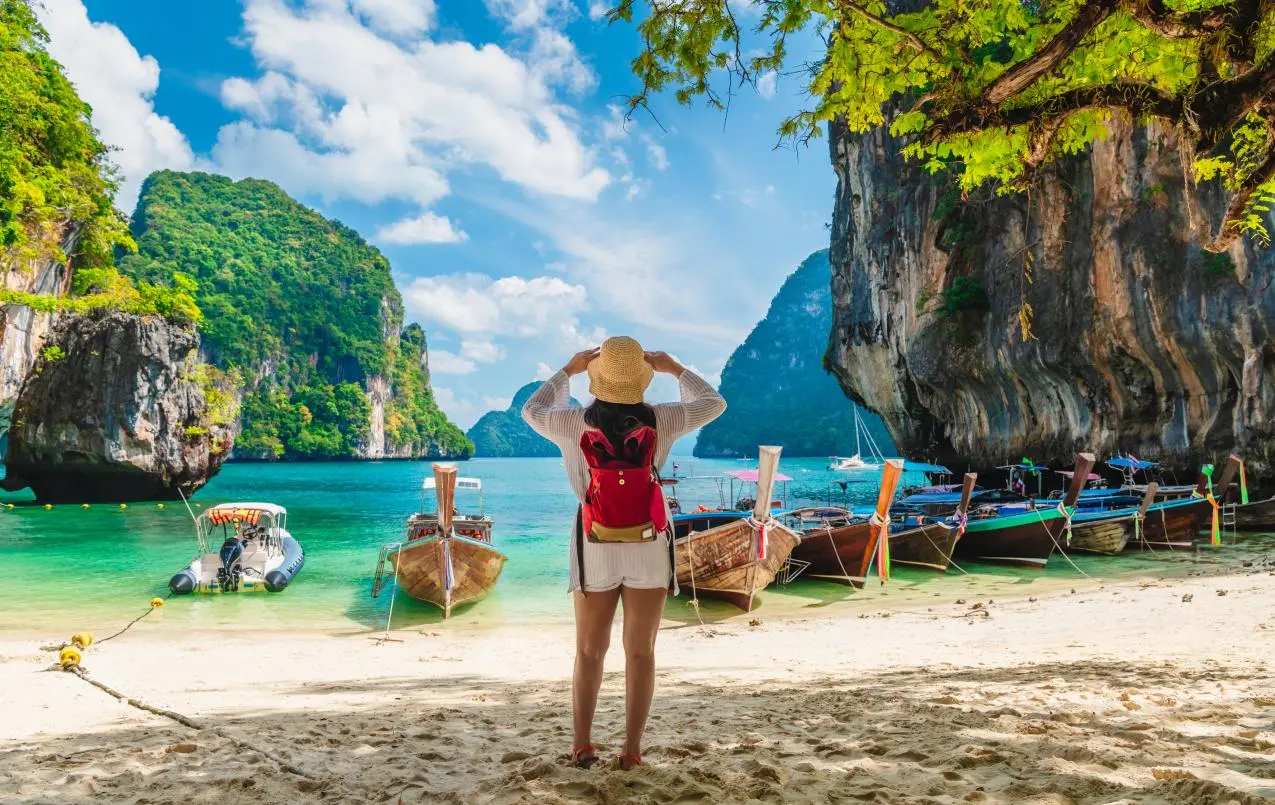
Travel has always been a central thread in the human experience, weaving connections between cultures, landscapes, and histories. For centuries, people have ventured far from home—whether out of necessity, curiosity, or a quest for personal transformation. In the modern world, where the notion of “getting away” often carries with it a sense of escapism, travel serves not only as a way to explore new places but also as an avenue for growth, discovery, and connection. In a time when we are more connected than ever, the act of travel remains one of the most profound and enriching experiences a person can undertake. This article explores the many facets of travel, from its transformative power to the evolving nature of global exploration, offering a deeper look at why we travel and what it means for us as individuals and as a society.
The Power of Exploration: Why We Travel
At its most basic, travel satisfies a human instinct—the urge to explore the unknown. Historically, this impulse was driven by survival, trade, and conquest, but over time, it has evolved into something more personal. Today, travel is a means of escaping the mundane routines of everyday life and seeking something beyond the ordinary, whether it be an exotic locale, a new cultural experience, or simply a sense of adventure.
The psychological benefits of travel are well-documented. According to research, new experiences have the potential to improve mental health, reduce stress, and enhance overall well-being. Traveling forces individuals out of their comfort zones, which can lead to greater self-awareness and personal growth. By navigating unfamiliar places, we learn to adapt, problem-solve, and embrace spontaneity. The excitement of new encounters—whether with people, food, or landscapes—awakens a sense of wonder, stimulating the imagination and creating lasting memories.
Moreover, travel provides the opportunity to reflect. In the quiet moments of a journey, away from the distractions of daily life, people often find clarity. The act of physically moving from one place to another can mirror an internal shift, enabling one to reassess priorities, break free from old habits, and make decisions with a renewed perspective.
Cultural Immersion: The Bridge Between Worlds
One of the most rewarding aspects of travel is the chance to immerse oneself in different cultures. The world is a vast mosaic of languages, customs, and ways of life, each offering unique insights into human existence. Traveling allows us to move beyond the stereotypes and assumptions we might hold, granting us the opportunity to experience life through the lens of another culture.
Cultural immersion goes far beyond merely visiting famous landmarks or taking photos at iconic sites. It involves engaging with local traditions, foods, and communities in ways that foster mutual respect and understanding. Whether it’s sharing a meal with a local family, participating in a traditional dance, or learning the language of the region, true cultural immersion opens doors to deeper connections and richer experiences.
In many cases, these encounters with different cultures leave lasting impressions, altering the way we see the world and ourselves. They challenge our preconceived notions, push us to embrace diversity, and encourage empathy for people whose experiences differ vastly from our own. This form of travel serves as a reminder that, despite our differences, humanity is bound by a common thread of shared dreams, struggles, and aspirations.
The Changing Landscape of Travel: Trends and Innovations
In the past century, the concept of travel has undergone dramatic transformations, particularly in the last few decades. Once a privilege reserved for the wealthy, travel is now accessible to a broader range of people, thanks to advances in transportation and the rise of budget airlines, hostels, and affordable accommodation options like Airbnb. The rise of the internet and digital tools has made it easier than ever to plan, book, and experience travel, opening up the world to millions of people who otherwise might not have had the means to explore.
As a result, travel has become more democratic, and new trends have emerged in response to shifting values and technological advancements. One such trend is the rise of “experiential travel.” Unlike traditional vacations, where relaxation or sightseeing might be the primary goals, experiential travel focuses on deeply engaging with a destination. Travelers seek to not just visit a place but to live it—by attending cooking classes, learning local crafts, or volunteering in community projects. This trend reflects a desire for authenticity and connection, rather than the pursuit of superficial experiences.
The growth of eco-tourism is another significant shift in the travel industry. As awareness of climate change and environmental degradation increases, more travelers are seeking out destinations that prioritize sustainability. Eco-tourism offers an alternative to the negative impacts of mass tourism, encouraging travelers to support local conservation efforts, stay in environmentally-friendly accommodations, and minimize their carbon footprint. It is a reflection of a growing desire to travel responsibly, leaving behind a positive impact rather than contributing to the destruction of the very places we love to explore.
Technology has also reshaped the way we travel. From the rise of online travel agencies to the use of mobile apps for navigation, translation, and booking experiences, digital tools have made travel easier, more efficient, and more personalized. Yet, as technology advances, so does the debate about the consequences of “over-tourism.” In many popular destinations, the influx of travelers has led to overcrowding, environmental strain, and cultural erosion. As a result, there is a growing call for responsible tourism that respects local communities and ecosystems, promoting sustainable practices while ensuring that tourism continues to provide economic benefits to host regions.
The Emotional Impact: The Joys and Challenges of Travel
Travel is often celebrated for the joy it brings. The thrill of new experiences, the beauty of unfamiliar landscapes, and the exhilaration of stepping into the unknown are unparalleled in their ability to bring happiness and excitement. But for many, travel also serves as an opportunity to confront challenges, both external and internal. It is in the unfamiliarity of a new environment that we often find the greatest opportunities for personal transformation.
However, the emotional impact of travel is not always one of unbridled joy. The process of navigating a foreign culture can at times lead to feelings of isolation or discomfort. Language barriers, unfamiliar food, and different social norms can create a sense of alienation. But it is precisely these challenges that often make travel so transformative. By confronting discomfort head-on, travelers develop resilience, adaptability, and self-reliance. The highs and lows of travel—whether they manifest as awe or frustration—shape the stories we tell, the lessons we learn, and the way we engage with the world upon our return.
The Long-Term Value of Travel
While the immediate benefits of travel—such as relaxation, adventure, and cultural enrichment—are evident, the long-term value is perhaps even more significant. Travel has the ability to broaden one’s worldview, shaping one’s identity and perspective in ways that stay with us long after we return home. It fosters a deeper understanding of humanity and the planet, sparking a sense of curiosity that lasts a lifetime.
Moreover, travel connects us to a larger community of global citizens. As borders become more porous and cultures continue to intermingle, the ability to move freely across the globe has become a privilege that enriches not only the traveler but also the societies they encounter. Travel nurtures empathy, cultivates openness, and strengthens the shared bond of human experience.
Conclusion: A Never-Ending Journey
In its essence, travel is not merely the act of going somewhere; it is a profound journey that speaks to the heart of who we are as individuals and as a species. It offers opportunities for self-discovery, cultural exchange, and personal growth. The evolution of travel—from exploration to experience—reflects a broader shift in how we perceive the world and our place in it. As we continue to travel the world, let us remember that the greatest value of travel lies not in the destinations we reach, but in the experiences and connections we make along the way.